How to Protect Your Landscape from Late-Summer Storms
North Carolina summers can bring heavy rain, strong winds, and sudden storms that put significant stress on your landscape. While you cannot control the weather, you can take steps to prepare your property and reduce the risk of damage.
One of the most important areas to evaluate is drainage. Heavy rainfall can quickly expose problems that may not be noticeable during normal weather. Look for areas where water collects, washes away mulch, or creates channels through the soil. Standing water can damage plants, while uncontrolled runoff can contribute to erosion.
Drainage systems should also be inspected before major storms. Make sure drains and other water pathways are free of leaves, branches, and other debris that could prevent water from moving properly. Downspouts should direct water away from your home's foundation and vulnerable landscape areas.
Trees are another important consideration. Dead branches, damaged limbs, and weak growth can become dangerous during strong winds. Regular pruning and tree inspections can help identify potential hazards before a storm turns them into a larger problem.
Newly planted trees and shrubs may need additional attention. Young plants have smaller root systems and can be more vulnerable to strong winds and heavy rainfall. Proper staking may be appropriate for certain newly planted trees, while adequate watering helps encourage healthy root establishment.
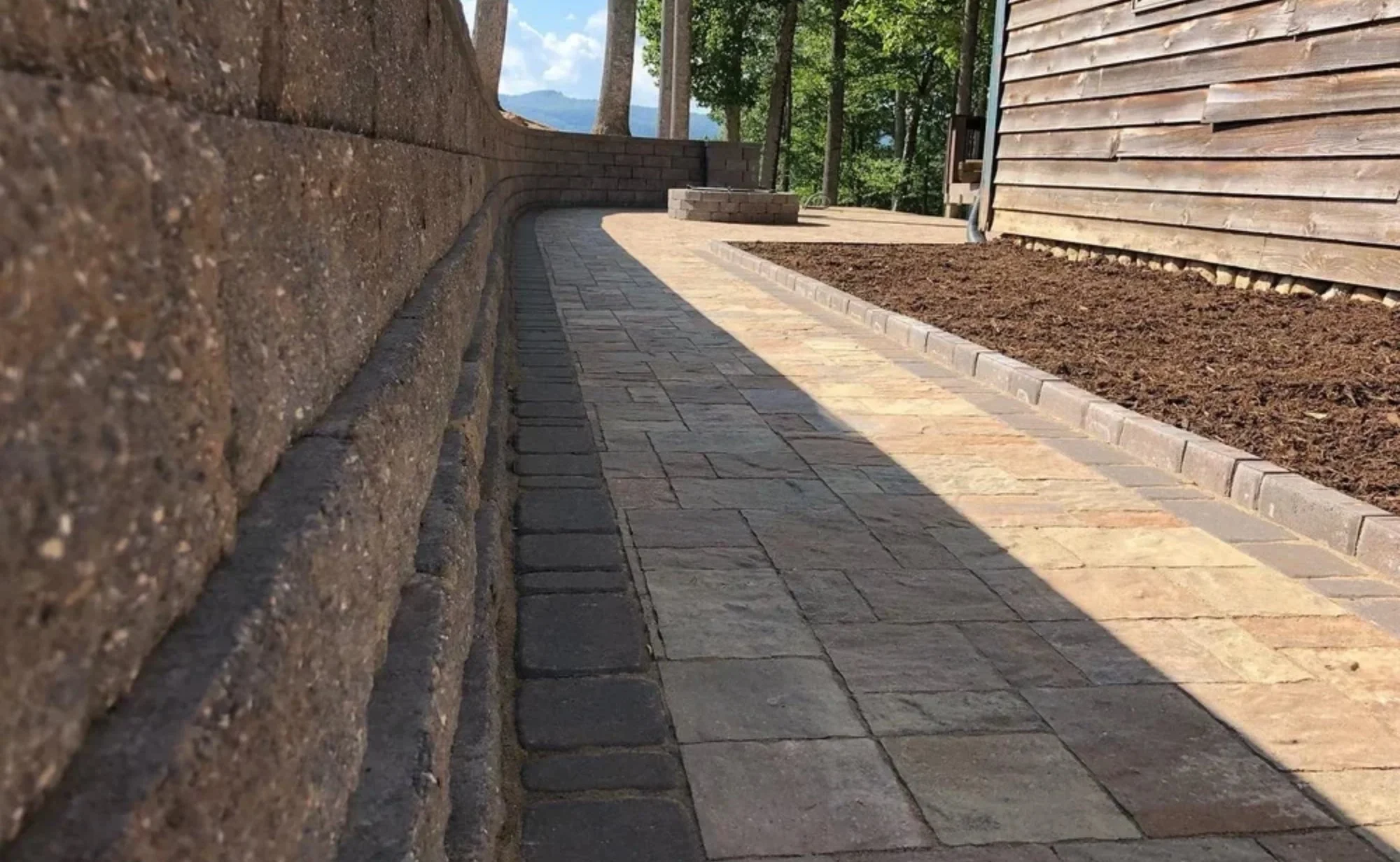
Erosion is another common concern during periods of heavy rainfall, especially on sloped properties. Mulch, ground covers, retaining walls, and properly designed drainage can help keep soil in place and reduce runoff.
Outdoor features should also be inspected. Loose decorations, lightweight furniture, umbrellas, and other items can become projectiles during strong winds. Securing or storing them before a storm can help prevent damage to both the items and surrounding landscaping.
After a major storm, take a walk around your property and look for signs of damage. Check for standing water, exposed roots, fallen branches, displaced mulch, damaged plants, and erosion. Addressing small problems quickly can prevent them from becoming larger issues.
Storm preparation is an important part of landscape maintenance, particularly for properties with slopes, mature trees, or drainage challenges. A well-planned landscape can handle rainfall more effectively while reducing the potential for damage.
Timber Creek Landscaping can help homeowners identify drainage, erosion, planting, and landscape design concerns before they become larger problems. Planning ahead can make your property more resilient through the remainder of the storm season.