Fall Landscape Design, Planning Now for a Beautiful Autumn and Beyond
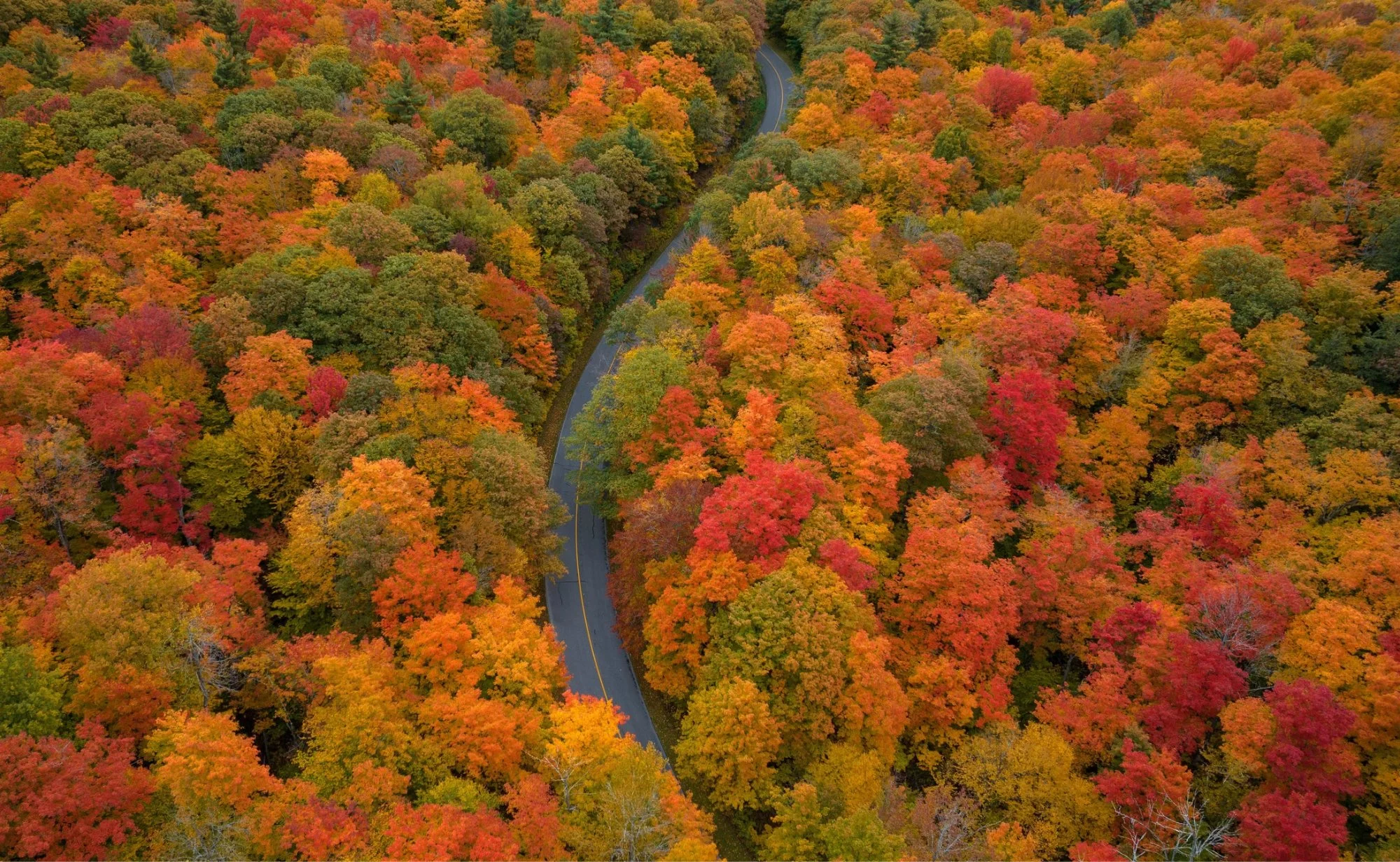
When planning a landscape, it is easy to focus on how it will look during spring and summer. However, a thoughtfully designed landscape should continue providing color, texture, and visual interest as the seasons change. August is a great time to begin thinking about fall landscaping and how your property can transition beautifully into the cooler months.
Trees are one of the best ways to introduce fall color. Many deciduous trees produce brilliant shades of red, orange, yellow, or bronze as temperatures cool. Choosing trees with different seasonal characteristics can create a landscape that changes throughout the year rather than looking its best during only one season.
Shrubs can provide another layer of seasonal interest. Some varieties develop colorful foliage, while others produce berries or maintain their structure after leaves have fallen. Evergreen shrubs can also provide important structure and greenery during the colder months.
Ornamental grasses are another excellent addition to a fall landscape. Their texture and movement add visual interest during the growing season, while their seed heads and dried foliage can continue providing structure into late fall and winter.
Fall flowers can bring additional color to landscape beds. Combining seasonal flowers with established perennials creates layers of color and texture rather than relying on a single type of planting.
Plant layering is an important part of successful landscape design. Combining taller trees and shrubs with medium-height plants, ornamental grasses, ground covers, and flowers creates depth. It also helps the landscape look intentional from multiple viewpoints.
Fall is also an excellent season to evaluate your existing landscape. Plants that have become overgrown, areas that lack color, and spaces that feel disconnected can all provide clues for future improvements. A professional landscape design can address those issues while creating a more cohesive overall property.
Hardscape elements can help anchor a fall landscape as well. Walkways, patios, retaining walls, stone borders, and outdoor gathering areas provide structure that remains visible even as seasonal plants change.
Planning ahead is especially important if you want to make significant changes to your landscape. Starting the design process before fall gives you time to select plants, materials, and features while considering how everything will look together.
A successful landscape should not be designed for just one season. With thoughtful plant selection and strategic design, your property can offer something to enjoy in spring, summer, fall, and winter.
Timber Creek Landscaping can help create a landscape designed for seasonal beauty and long-term enjoyment, from planting and hardscaping to complete landscape renovations.