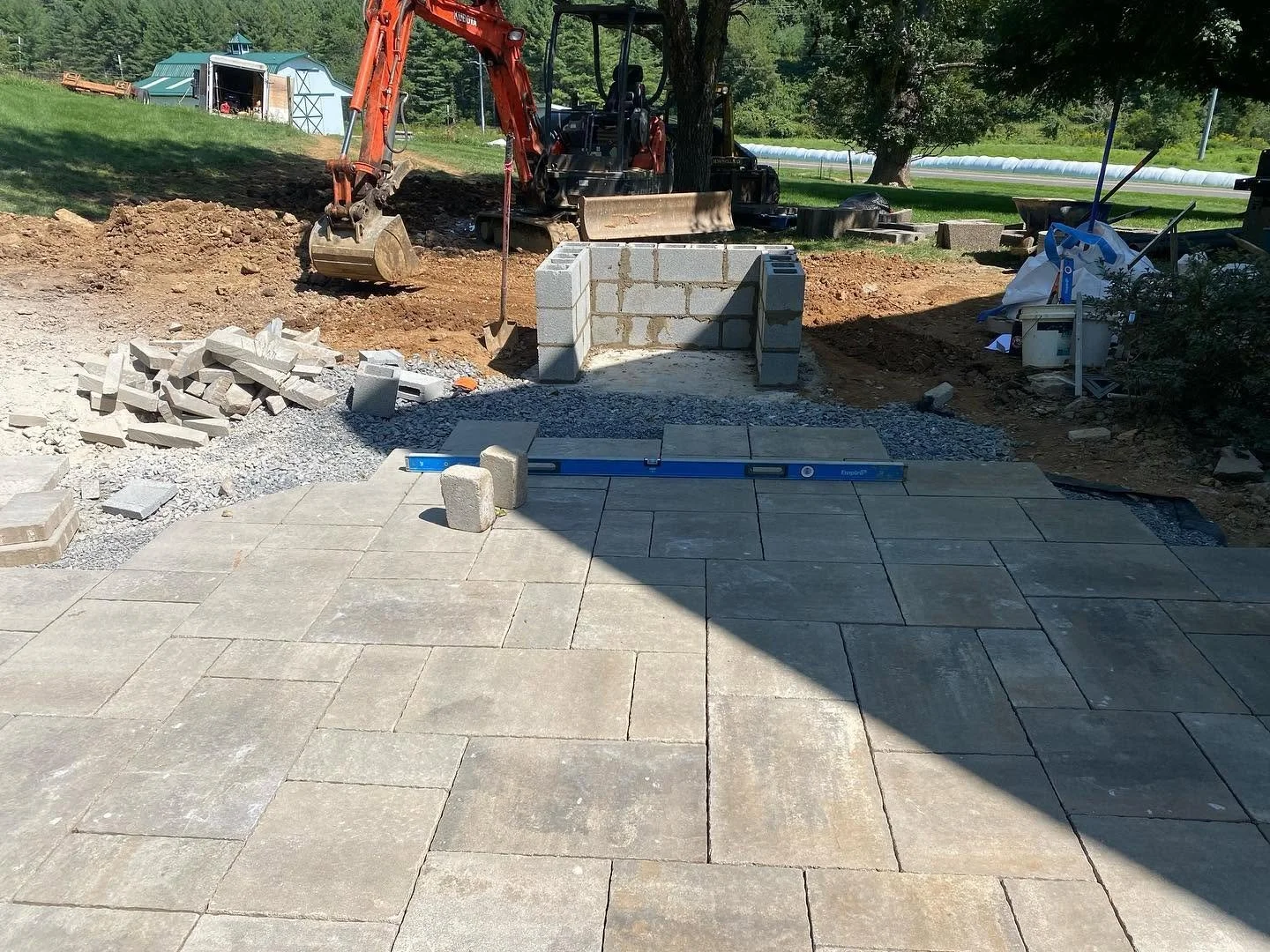
When planning a new patio, walkway, retaining wall, or outdoor living area, one of the first decisions you'll need to make is which materials to use.
Hardscaping provides the structure for an outdoor space. It can define how people move through a property, create usable areas for entertaining, and complement the surrounding landscape.
With so many materials available, choosing the right one can feel overwhelming. Natural stone, concrete, pavers, and other options each offer different benefits, and the best choice depends on the project, your property, and the look you're trying to achieve.
Here are a few things to consider when selecting materials for your next hardscape project.
Consider the Purpose of the Project
Before choosing a material, think about how the finished space will be used.
A patio designed for outdoor dining may have different requirements than a walkway leading to the front entrance. A retaining wall may need to address changes in elevation, while a decorative stone feature may primarily serve as a focal point.
For example:
Patios: Consider comfort, appearance, durability, and how the surface will work with outdoor furniture.
Walkways: Look for materials that provide a stable, comfortable surface and fit the style of the property.
Retaining walls: Structural requirements, drainage, and site conditions are especially important.
Outdoor living spaces: Consider how the materials will coordinate with other features, such as fire pits, kitchens, seating areas, and landscaping.
Understanding the purpose of the project helps narrow down the options.
Natural Stone
Natural stone is a popular choice for homeowners who want a timeless, organic appearance.
Because each piece of stone has its own texture and variation, it can create a landscape that feels connected to the surrounding environment.
Natural stone can be used for patios, walkways, steps, retaining walls, and decorative features. Different types of stone offer different colors, shapes, and finishes.
The appearance and installation requirements can vary depending on the stone selected, so it's important to consider how the material will perform in the intended application.
Concrete Pavers
Concrete pavers offer a wide range of design possibilities.
They are available in different shapes, sizes, colors, and textures, making it easier to create a design that complements the home and surrounding landscape.
Pavers can work well for patios, walkways, pool areas, and other outdoor spaces. Their modular design can also make certain repairs more manageable because individual units may be replaced if needed.
The overall performance of a paver installation depends on proper preparation, base construction, drainage, and installation.
Concrete
Concrete is another versatile option for hardscape projects.
It can provide a clean, simple appearance and is often used for patios, walkways, and other functional surfaces. Depending on the design, concrete can also be finished, colored, or stamped to create different looks.
When considering concrete, think about the style of the property and how the finished surface will coordinate with surrounding landscape features.
Proper installation and drainage are important for helping concrete surfaces perform well over time.
Think About Color and Texture
Hardscape materials should complement the home's exterior and the surrounding landscape.
A material that looks beautiful on its own may not be the best fit for the overall design. Consider the colors of the siding, roof, trim, existing stonework, and other outdoor features.
Texture is another important consideration. Smooth materials may create a more modern appearance, while irregular stone or textured pavers can give a space a more natural feel.
The goal is to choose materials that work together rather than compete with one another.
Don't Overlook Drainage and Installation
Hardscape materials are only one part of a successful project.
Proper site preparation, grading, base construction, and drainage all play a major role in how a hardscape performs over time.
For example, a patio needs to be designed with appropriate drainage so water doesn't collect against the home or create problems elsewhere on the property.
Retaining walls may require drainage systems and other structural considerations depending on their height, location, and the conditions of the site.
Choosing materials that are appropriate for the project is important, but the installation process matters just as much.
Choose Materials That Fit Your Landscape
The best hardscape materials are those that meet the needs of your property while creating an outdoor space you'll enjoy.
Whether you're planning a new patio, walkway, retaining wall, or complete outdoor living area, considering the purpose, appearance, durability, and installation requirements can help you make a more informed decision.
Timber Creek Landscaping can help you explore hardscape options and develop a design that complements your property.
Ready to start planning your next hardscape project? Contact Timber Creek Landscaping to discuss your ideas.