When Is the Best Time to Plant Trees and Shrubs in North Carolina?
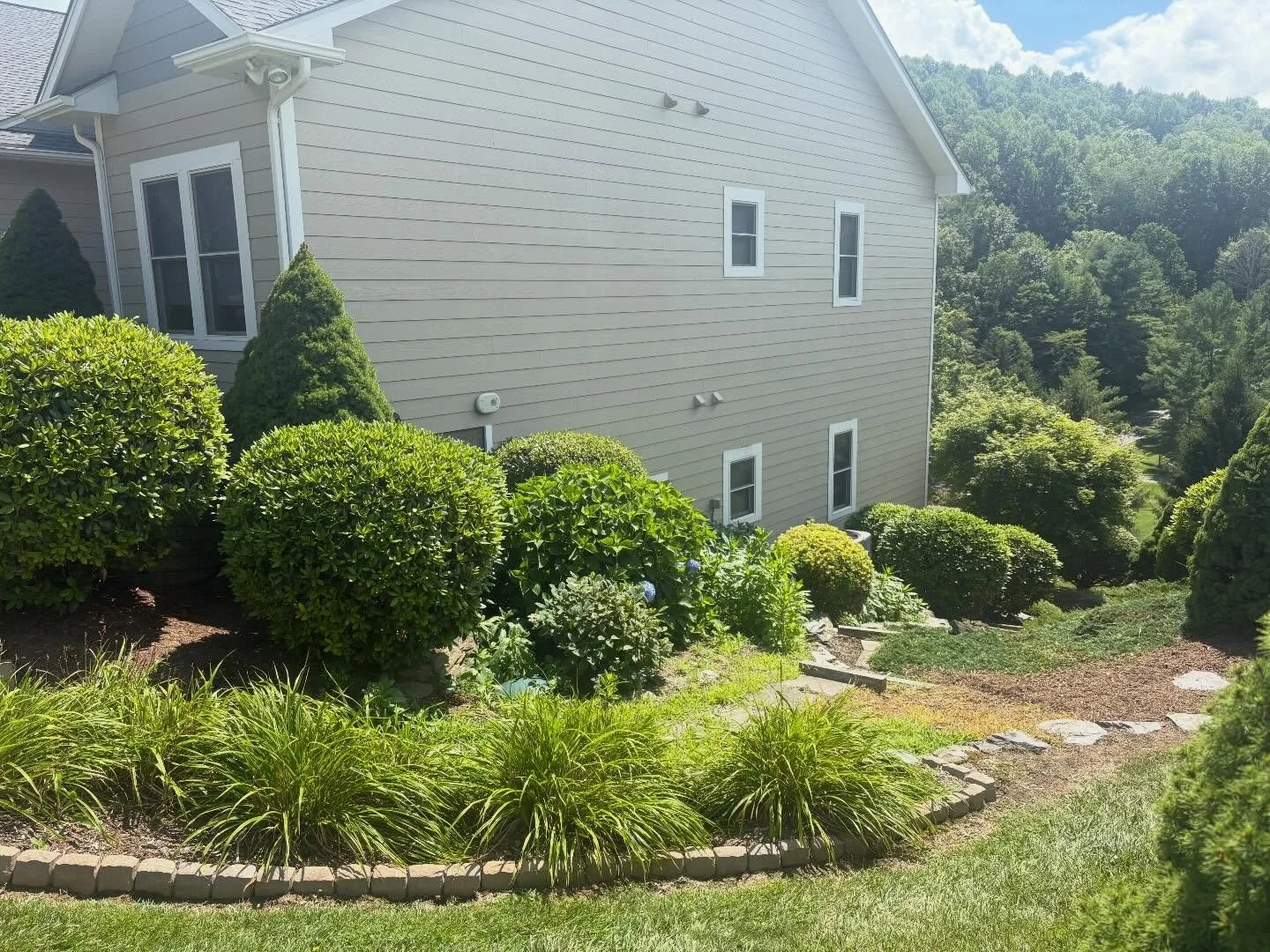
Choosing the right time to plant trees and shrubs can make a significant difference in how successfully they establish. While spring is often considered the traditional planting season, late summer and fall can also provide excellent opportunities for adding new plants to your North Carolina landscape.
One of the biggest advantages of planting in late summer or fall is that cooler temperatures reduce stress on newly installed plants. During the hottest part of summer, plants must work harder to maintain moisture while establishing new roots. As temperatures begin to moderate, plants can dedicate more energy to root development.
Fall planting can also give trees and shrubs several months to establish their root systems before the demands of the following summer. A strong root system helps plants become more resilient to heat and periods of dry weather once the growing season returns.
Choosing the right plant is just as important as choosing the right time to install it. Consider the amount of sunlight your property receives, soil conditions, drainage, mature plant size, and the amount of maintenance you are willing to provide. A tree that looks beautiful in a garden center may not be the right choice for its intended location.
Placement is particularly important with larger trees. Consider how tall and wide a tree will become before planting it near your home, driveway, utility lines, or other structures. Giving plants enough room to reach their mature size can prevent future maintenance problems and costly removals.
Watering is also critical after installation. Even when temperatures begin to cool, newly planted trees and shrubs need consistent moisture while their roots become established. A regular watering schedule is especially important during periods without adequate rainfall.
Proper soil preparation and mulching can further improve establishment. Amending soil when appropriate, planting at the correct depth, and applying mulch around the root zone can help protect new plants and conserve moisture. Mulch should be kept away from the trunk or main stems to prevent moisture-related problems.
Whether you are adding a single ornamental tree or completely redesigning your landscape beds, late summer and fall can be excellent times to get started. With thoughtful plant selection and proper installation, your new landscape can establish strong roots and provide beauty for many years to come.
If you're considering adding trees or shrubs to your property, Timber Creek Landscaping can help you choose plants and locations that complement your landscape and long-term goals.