Small Yard, Big Impact: Landscaping Ideas for Smaller Properties
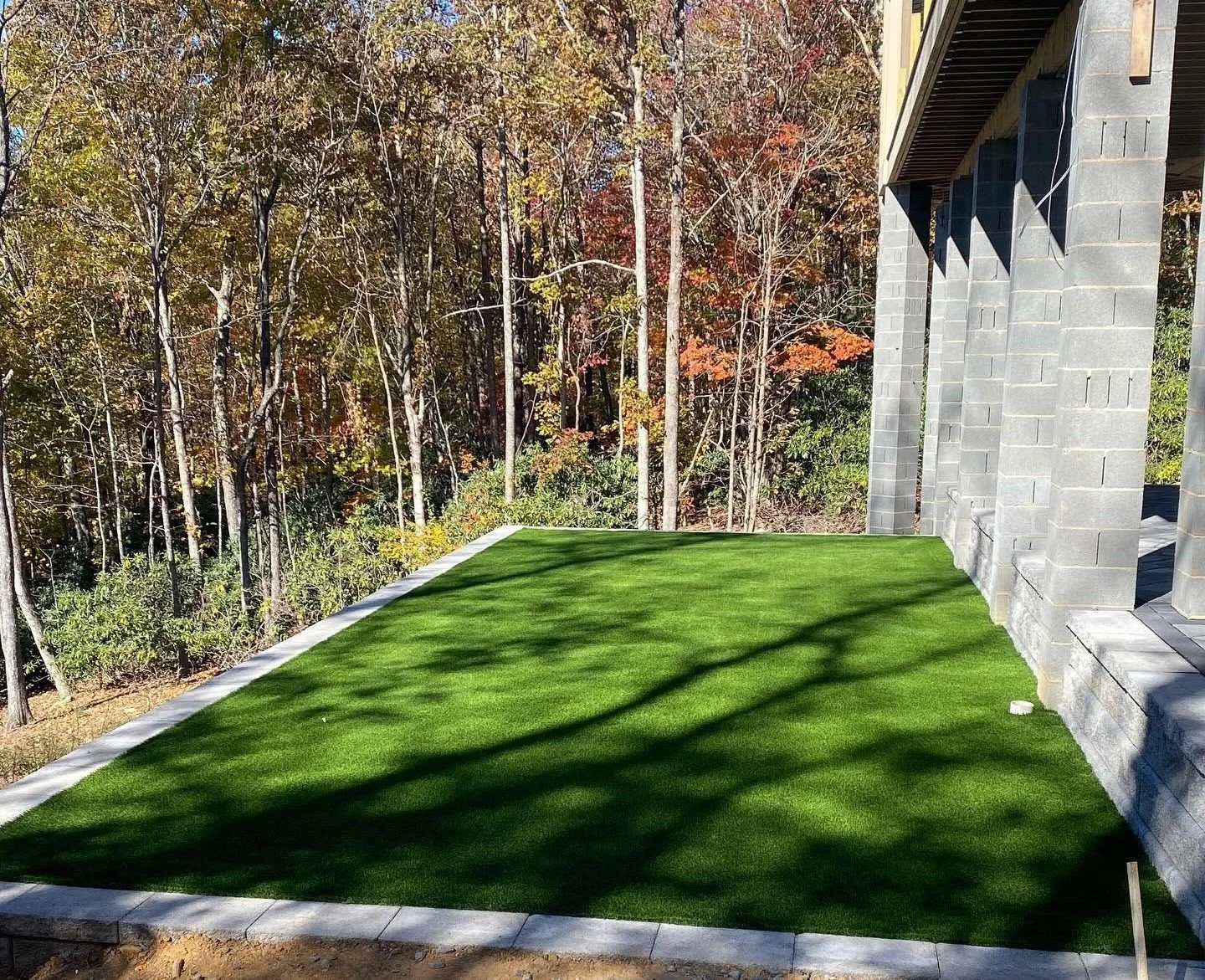
When it comes to landscaping, bigger isn't always better. A smaller yard can still offer plenty of opportunities for beautiful plantings, functional outdoor spaces, and eye-catching landscape features. The key is creating a design that makes the most of the space without making it feel crowded.
With thoughtful planning, homeowners can transform even a compact property into a comfortable outdoor retreat.
Think in Layers
One of the best ways to maximize a smaller landscape is to incorporate layers. Instead of placing plants randomly throughout the yard, consider combining taller trees or shrubs with medium-sized plants, ornamental grasses, groundcovers, and flowers.
Layered landscaping adds depth and dimension while making the space feel more established. It also creates visual interest from different viewpoints throughout the property.
Choose Plants Based on Mature Size
A common mistake in small yards is choosing plants based on how large they are when purchased rather than how large they will eventually become.
A small tree or shrub can quickly outgrow a compact planting area if its mature size isn't considered. Choosing plants that are appropriately sized for the space helps reduce future pruning and maintenance while keeping the landscape balanced.
Make Use of Vertical Space
When horizontal space is limited, look upward. Vertical elements can add visual interest without taking up much ground space.
Trellises, climbing plants, narrow ornamental trees, pergolas, and vertical planting features can all help maximize a smaller property. They can also create privacy without requiring large planting beds.
Create a Multifunctional Outdoor Space
A small patio doesn't have to serve just one purpose. With the right layout, the same space can be used for outdoor dining, relaxing, entertaining, or enjoying a fire pit.
Thoughtful furniture placement and clearly defined areas can make a compact patio feel much larger and more useful.
Use Curved Lines and Pathways
The layout of your landscape can have a significant impact on how large the property feels. Curved walkways and planting beds can create the impression that there is more to explore, while straight lines can sometimes make a small yard feel more confined.
A thoughtfully designed walkway can also connect different areas of the property and create a natural flow between the home, patio, garden, and other outdoor features.
Choose a Strong Focal Point
Every landscape benefits from a focal point, and smaller yards are no exception. In fact, a well-chosen focal point can help give a compact property a sense of purpose.
A specimen tree, decorative stone feature, fountain, small pond, fire pit, or distinctive planting bed can draw attention and give the landscape a memorable centerpiece.
Don't Overcrowd the Design
It can be tempting to fill every available space when working with a small yard. However, leaving some open space can actually make the property feel larger.
A successful landscape design balances plants, hardscaping, and open areas. Giving each feature enough room to stand out creates a cleaner and more intentional appearance.
Make Every Feature Count
When space is limited, every element should serve a purpose. A retaining wall might also provide seating. A walkway can connect multiple outdoor areas. A tree can provide shade and privacy. A water feature can serve as both a focal point and a source of relaxing background sound.
This type of intentional planning allows homeowners to get more functionality from every part of their property.
A small yard can have just as much character and functionality as a large property when it is thoughtfully designed. The right combination of plants, hardscaping, outdoor living features, and focal points can create an inviting landscape without overwhelming the available space.
Ready to make the most of your property? Contact Timber Creek Landscaping, we can help design a landscape that works with your space, lifestyle, and long-term goals.