Protecting Your Landscape from Winter Wildlife
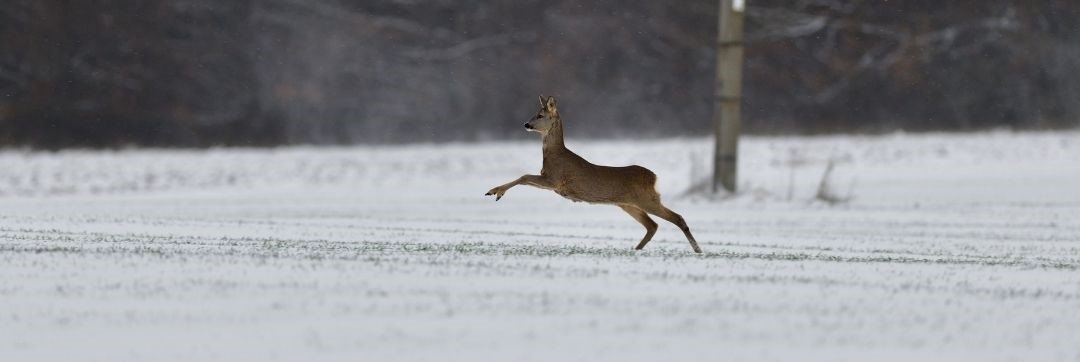
Winter can be tough on your plants, and it can also attract wildlife looking for food and shelter. Deer, rabbits, squirrels, and other animals may nibble on trees, shrubs, and garden beds, causing lasting damage. By taking a few proactive steps, you can keep your landscape safe until spring.
1. Use Physical Barriers
Fencing, tree guards, or mesh can prevent deer and rabbits from reaching vulnerable plants. For smaller shrubs, consider wire cages or netting to shield them from hungry wildlife.
2. Apply Safe Repellents
There are many natural and commercial repellents designed to deter wildlife without harming them. Rotate repellents periodically, as animals can get used to a single scent over time.
3. Choose Resistant Plants
Some plants are less appealing to wildlife. Incorporate deer-resistant shrubs and perennials, like boxwood, holly, or ornamental grasses, to reduce damage risk.
4. Manage Food Sources
Clean up fallen fruit, nuts, or vegetable debris that may attract animals. Keeping your yard tidy reduces the incentive for wildlife to linger near your prized plants.
5. Monitor and Adjust
Keep an eye on your landscape throughout winter. Adjust barriers and repellents as needed, and repair any damage quickly to prevent larger problems in spring.
By taking these steps, you can protect your trees, shrubs, and garden beds from winter wildlife and ensure your landscape comes through the cold months healthy and ready for spring growth.