Pollinator Friendly Landscaping, Helping Bees, Butterflies, and Birds Thrive
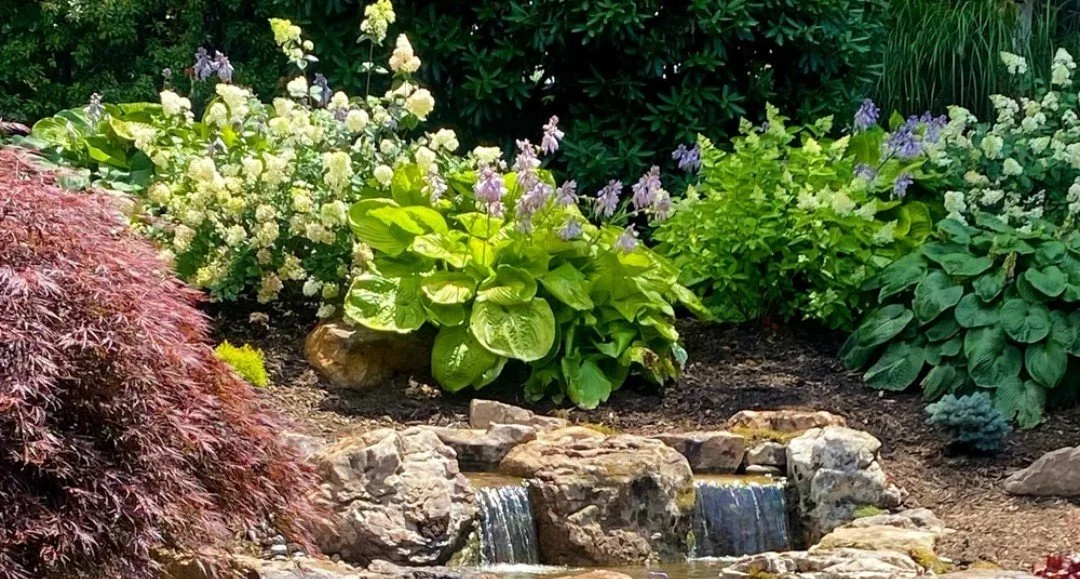
Pollinators play an essential role in maintaining healthy ecosystems, and homeowners have a unique opportunity to support them through thoughtful landscape design. By creating a pollinator friendly landscape, you can attract bees, butterflies, hummingbirds, and other beneficial wildlife while enjoying a more colorful and vibrant yard.
One of the most effective ways to support pollinators is by incorporating native plants into your landscape. Native species have evolved alongside local pollinators and provide the nectar, pollen, and habitat these creatures depend on. In North Carolina, plants such as coneflowers, black eyed Susans, bee balm, and milkweed are excellent choices.
Providing blooms throughout the growing season is another important consideration. A variety of plants that flower at different times ensures pollinators have access to food sources from spring through fall. This continuous supply helps support healthy populations throughout the year.
Reducing pesticide use can also have a significant impact. While pesticides may help control certain pests, they can unintentionally harm beneficial insects as well. Integrated pest management practices and selective treatments help minimize these risks while maintaining plant health.
Pollinator friendly landscapes benefit more than just insects. Hummingbirds are attracted to brightly colored flowers, while birds often rely on native plants for food and shelter. Creating a diverse landscape encourages a wide range of wildlife to visit and thrive.
In addition to supporting the environment, pollinator gardens offer visual appeal. Colorful flowers, varied textures, and seasonal interest create dynamic landscapes that change throughout the year. These gardens often require less maintenance than traditional plantings because native species are well adapted to local conditions.
Creating a pollinator friendly landscape is a simple way to contribute to environmental health while enhancing the beauty of your property. Whether you dedicate an entire garden bed or simply add a few native plants, every effort helps support the pollinators that play such a vital role in our world.