How to Fix Patchy or Damaged Lawns Before Summer Hits
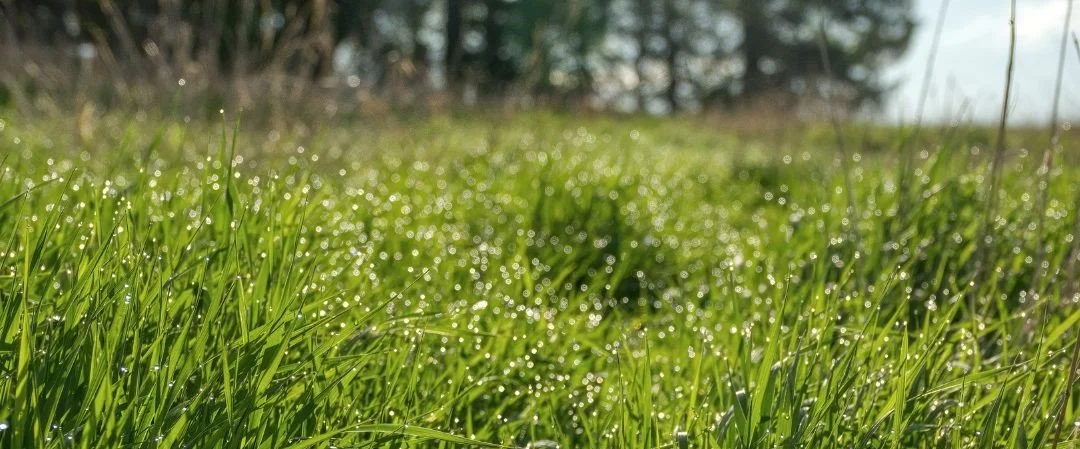
After a long winter, it is common for lawns in North Carolina to show signs of stress. Patchy grass, bare spots, and uneven growth can make your yard look worn down just as the season begins to change. The good news is that April offers an ideal opportunity to repair these issues and restore a healthy, full lawn before summer.
The first step in fixing a patchy lawn is identifying the cause. Winter damage, compacted soil, pet activity, and poor drainage are all common factors. Understanding what led to the problem helps determine the best solution and prevents it from happening again.
For many homeowners, overseeding is the most effective way to improve lawn thickness. This process involves spreading new grass seed over existing turf to fill in thin areas. In North Carolina, cool season grasses like fescue respond well to overseeding when paired with proper soil preparation.
Before applying seed, it is important to loosen the soil and remove any debris. Aerating compacted areas allows water, nutrients, and seed to penetrate more effectively. Skipping this step is one of the most common mistakes and often leads to poor results.
In more severely damaged areas, sod installation may be the better option. Sod provides an instant solution and establishes more quickly, making it ideal for high visibility areas or spots that need immediate improvement.
Watering plays a critical role in the success of both seeding and sod. Newly seeded areas should be kept consistently moist until germination occurs, while sod requires deep watering to encourage root establishment.
Timing is also important. Addressing lawn issues in April gives grass enough time to establish before the heat of summer arrives. Waiting too long can make recovery more difficult and increase the risk of further damage.
By taking the right steps now, you can transform a thin, patchy lawn into a thick, healthy landscape that holds up throughout the warmer months.